


By now you’ve probably seen the clip. Timothée Chalamet, sitting across from Matthew McConaughey at UT Austin, making a case for why movies still matter—and in doing so, throwing ballet and opera under the bus. “I don’t wanna be working in ballet or opera or things where it’s like, ‘Hey, keep this thing alive,’ even though it’s like, no one cares about this anymore.”
The internet did what the internet does. The ballet world clapped back. The opera world posted discount codes. Misty Copeland noted, with pointed calm, that Chalamet had personally asked her to help promote his film. SNL made a joke. A British opera singer called him “immature.” The cycle completed itself in about four days.
And all of it left me feeling icky. Not outrage. Something more like recognition.
The Shape of It
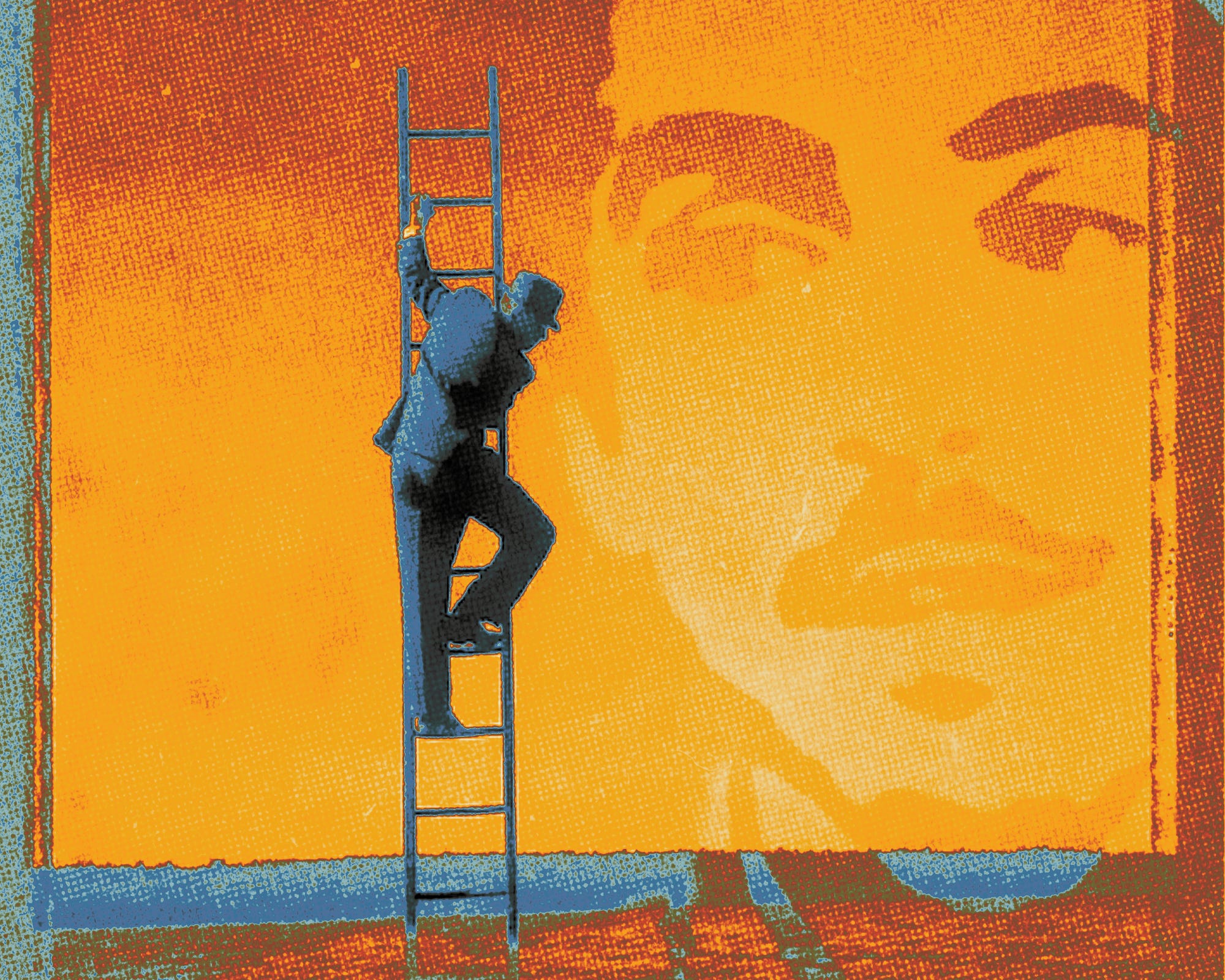
Here’s the thing nobody’s really saying about what Chalamet said: it wasn’t just careless. It was structural. He was doing what everyone in the performing arts does, constantly, automatically, often without realizing it. He found something below him on the ladder and used it to prop himself up.
There’s a ladder. We all know it. We just don’t talk about it out loud.
Film is at the top—or it was, until prestige television arrived and complicated things. Now it’s more like: an A24 film above an HBO drama above a network drama above a streaming procedural above the thing your uncle watches on Peacock. And below all of that, somewhere, is the franchise blockbuster, which makes a billion dollars and gets treated by “serious” film people as barely worth acknowledging.
Below film: theater. But not all theater equally. Drama at the top. The Pulitzer winner, the Sondheim revival, the new work from an important voice at a respected institution. Then musicals—but again, not equally. Original cast, the celebrity vehicle, the jukebox, the IP grab. And below that, somewhere: opera. Ballet. The forms Chalamet was dismissing.
Except the ladder doesn’t stop there.
How Low Can You Go?
Keep going and you find: regional theater. Community theater. The theater company operating out of a church basement. Theater for Young Audiences. Hairspray on Royal Caribbean. The performer doing eight shows a week in a theme park, in a costume, in August, in Orlando.
I have heard theater people—people I respect enormously, people who care deeply about this work—say things about these spaces that are functionally identical to what Timothée Chalamet said about opera. It’s not really professional. Nobody serious works there. It’s just for kids. It’s just for tourists.
No one cares about that anymore.
We say it all the time. We just don’t say it on a press tour for an Oscars contender, so nobody clips it.
The Mechanism
The ladder exists because it has to, I think. When you’ve given your life to something—when you’ve taken the financial hit, made the sacrifices—you need to believe it matters. You need to believe it matters more than some other thing. The hierarchy is a coping mechanism. A story we tell ourselves about why the hard choice was worth it.
This is one of the most human things there is. Watch it happen anywhere people choose conviction over comfort. The academic who spent a decade on a dissertation has opinions about the full time fanfic writer. The marathon runner has complicated feelings about the person doing a 5K who calls themselves a runner. The indie filmmaker has thoughts about Netflix. The mechanism is always the same: I gave up something real to be here. So here has to matter. And if here has to matter, then somewhere has to matter less.
For artists, the stakes feel especially high—because the sacrifice usually was. Nobody accidentally ends up doing eight shows a week in a regional theater. Nobody stumbles into a decade of dance training. These are choices made early, often at real cost. The hierarchy becomes the retroactive justification. It’s the story that makes the choice make sense. Which is why threatening it—even just by naming it—can feel like threatening the choice itself.
What We’re Actually Measuring
What are we measuring when we rank art forms? Ticket prices? Mass audience size? Cultural longevity? Critical prestige? Awards eligibility? The answer keeps changing depending on who’s doing the ranking and what they need to protect.
Film wants to be taken as seriously as theater. Theater wants to be taken as seriously as film. Opera wants to be taken as seriously as both. Musical theater wants to stop being the punchline. And everyone—quietly, constantly—is looking down.
Chalamet’s comment was clumsy and reductive. It revealed something about how he thinks about art that’s probably worth sitting with. But if the performing arts community’s response is just to say we matter too—and then go back to quietly dismissing the cruise ship performers and the TYA writers and the theme park dancers—then we haven’t learned anything.
We’ve just rearranged the ladder.
This week in One Last Thing: how this piece actually came together—what I kept saying when people asked me what I thought (aka why I couldn’t answer.)
It’s for paid subscribers ($5/month), which helps keep The Fourth Wall alive and independent. Regardless, thanks for being here.