


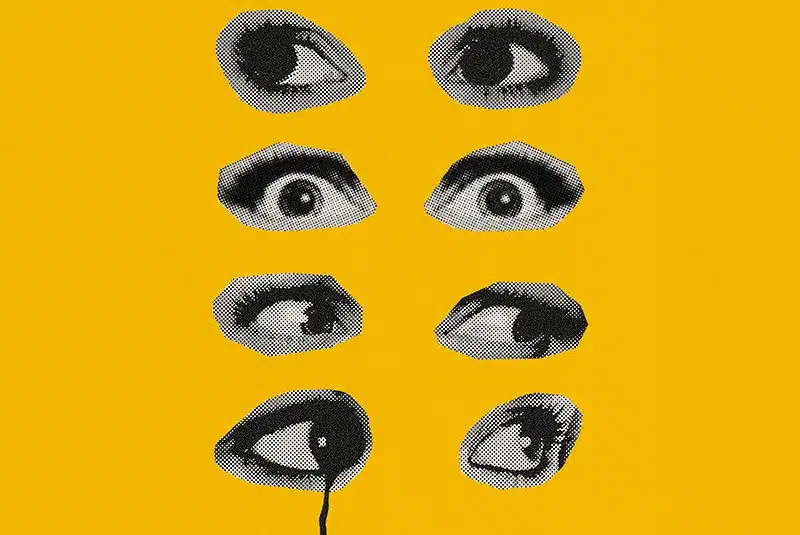
Todrick Hall's Midnight was supposed to close November 8. Now it runs through January 3.
This month, dozens of other shows opened in New York. You probably haven't heard much about most of them, aside from the occasional Instagram story.
Midnight has been everywhere. The "Pretty Eyes" clip on TikTok. Reviews that run from "the best new musical of the year" to "overstuffed." Stage-door videos, reaction videos, reactions to the reaction videos. Whatever you think of it, odds are you've heard of it.
And right now, all over New York, there are shows in rehearsal or previews or performances that would be thrilled to have a fraction of that conversation.
That's what I want to sit with this week—what a conversation is worth to a show, and who gets one.
Let's talk about it.
The Quiet
Most shows, statistically speaking, open quietly.
Last season, the nominating committee for the Drama Desk Awards (which cover everything from Broadway to the smallest downtown stages) considered 270 shows—and that only counts the ones that ran at least 21 performances.
That's more than five shows a week, every week, for a year.
A press release runs, the cast posts the cast announcement, there are rehearsal videos, opening night photos, and then...not much. Aside from convincing friends and acquaintances to spend their time and money, attracting reviewers (mainstream, small blog, social creators, etc.) is frequently someone's full-time job. Shows large and small are desperate for buzz in the form of content.
I know this one from the inside. I've opened shows in New York to very little fanfare. You pour months (or years) into something, make it as good as you possibly can, and then it arrives to a handful of posts and a whole lot of quiet.
The same goes for every city with a stage in it.
Quiet is the default. And it often has very little to do with whether the show is any good.
The Lobby
Admittedly, I haven't seen Midnight. Which is to say, I don't have an opinion about it.
Plenty of people do. Much of the sharpest criticism has come from Black theatergoers who say its depiction of slavery hurt them. Todrick, meanwhile, says fans at the stage door tell him they've never felt so seen.
People are allowed to feel however they feel about a show. The person who left moved and the person who left hurt are both telling the truth about their night.
Theater has always been built to be argued about. In the lobby at intermission. On the subway ride home. In the group chat before you've even made it out of the building. Todrick said as much himself: "I knew this musical might be divisive." Divisive means people care enough to divide.
Zoom In
A few weeks ago, I wrote that nobody gossips about a dead thing. I was talking about the whole industry—the creators, the scoops, the comment sections, all of it proof that people still care about theater.
Zoom in to a single show, and the math gets brutal.
In a city where dozens of productions open every month, attention is the scarcest resource there is. Scarcer than money. Scarcer than theaters. Definitely scarcer than talent.
Last fall I wrote about buzz as a kind of density. See a show in your feed three, five, ten times in a week, and it starts to feel real. Familiar. Like the thing you're supposed to see. Every one of those touchpoints costs something, and a marketing budget only buys so many. Most shows can't afford enough.
Discourse delivers them for free. Every stitch, every review, every "wait, what is this show about?" puts the title in front of someone who'd never heard it a month ago. The people who love Midnight are talking about it. The people who have serious problems with it are talking about it.
Either way, the title travels. And with reach less and less tied to follower counts, anyone's pan or rave can now move further and faster than a review in the Times. Every one of those posts shapes what someone, somewhere, decides to buy a ticket to.
Who Gets One
So why this show?
Some of it is just numbers. Todrick has more than three and a half million YouTube subscribers. A single rehearsal clip of "Pretty Eyes" has more than 286,000 likes on TikTok, as of this writing. And the premise is a love story set during slavery, a subject people feel strongly about whether or not they've seen it.
An audience, a clip, and a subject people can't agree on. Most shows start with none of the three.
Some shows go looking for the third one. The creators of Slam Frank, the Anne Frank satire at the Orpheum, said it plainly: bring on the controversy. That's one way in. But a provocation and a conversation are different animals, and the difference shows up a few weeks later, in whether anyone's still talking.
And once the conversation starts, the show is along for the ride. Every night, the company of Midnight (and every show) walks into their theater knowing at least some of what's being said about them online. Any show that would give anything for this kind of spotlight should know it comes with heat.
That's the thing about attention. It goes wherever we point it.
The Mic
Which leaves the quiet shows waiting on us.
All of us, wherever we are. The regional theater an hour from your house. The community production your neighbor has been rehearsing for months. The college show, the fringe show, the musical at the high school down the street. Every one of them is hoping for a conversation of its own.
You don't need a platform to give it to them. The Broadway League's own research says personal recommendation is the single biggest reason people buy a ticket—across every demographic.
Start small. Your mom on the phone. Your coworker on Monday. The friends at dinner who ask what you did this weekend. It doesn't have to be a full review. Just saying the name of the show out loud counts. And if you can, tell them what it did to you.
So go see something.
Then say something.
This week in One Last Thing: the favor I asked for after every bow—and what happened afterwards.
It's for paid subscribers ($5/month), which keeps The Fourth Wall independent and alive. Either way, I'm grateful you're here.
One Last Thing...
See you next week ♥️
—Matt