


Long before there are butts in theater seats, there are butts in folding chairs.
A group of actors is handed a working draft of something new—a musical, a play, an idea that hasn’t quite found its shape yet—and asked to fully commit to it for a short chunk of time. Sometimes it’s 29 hours. Sometimes it’s two or four weeks.
The arrangement is a little strange: the thing isn’t done. The writers are still finding the voice, the tone, the tempo, the heart. There’s rarely a guarantee that there will be a next step—or that you, as the actor, will be part of it if there is.
And yet, despite knowing none of this might last, something happens in that room. Actors and creatives find themselves genuinely, almost helplessly invested. Not just in the work they’re doing, but in the piece itself. Its future. Its potential. The ideas they’d bring to it if given the chance.
That’s the dirt I want to dig into this week: why we care about something we don’t own—and why the work we do in those rooms matters, even if we’re not there when the curtain rises.
Let’s get into it.
The Takeover
The ask is pretty straightforward: show up, get familiar with the material, make a few choices, ask some questions, tell the story. Execute. There is no line in any contract about emotional investment.
Then it’s day three and you’re caring in a way that goes well beyond professional. You have opinions about the show—its arc, its ending, its characters. You’ve had at least one conversation with a castmate that was less about the work and more about the potential of the work—what it could be, what it’s reaching for, whether it’s going to get there.
You’re doing creative labor nobody asked for. You’re a temporary resident acting like a legacy tenant.
Part of it is certainly the nature of the form. A reading is specifically designed to activate imagination—there are no sets or costumes. Your job is to fill the gaps. What floods in is a mysterious combination of instinct, curiosity, and (if you can believe it) feelings.
Which raises an obvious question: why? What is actually happening to us? And is it as irrational as it looks?
The Loop
There’s a psychological principle worth knowing here: the brain hates an unfinished thing.
Completed tasks get filed and forgotten. Open loops stay active, running quietly in the background. It’s why you can’t stop thinking about an unanswered text. Why you replay the last five minutes of a conversation in the shower. Why cliffhangers work.
A reading is one giant open loop.
The show isn’t finished. The future is uncertain. Nobody knows what happens next. So your brain does what it always does with something unresolved: it keeps working. On the subway. In the shower. At two in the morning when you should absolutely be asleep.
Then layer in the craft itself. When an actor commits fully to imaginary circumstances, the brain responds as if they’re real. Same pathways. Same chemicals. Belief, at a neurological level, produces genuine investment. You can’t activate one without the other. The caring is proof the commitment worked.
But here’s what makes a reading specifically strange: you’re committing to two fictions at once. There’s the fiction of the story—the characters, the world, the stakes. And then there’s the fiction of your own membership in the project. That you are a real stakeholder in something that technically isn’t yours at all. That you might be part of its future.
You have to commit to that fiction completely. Because the work suffers otherwise.
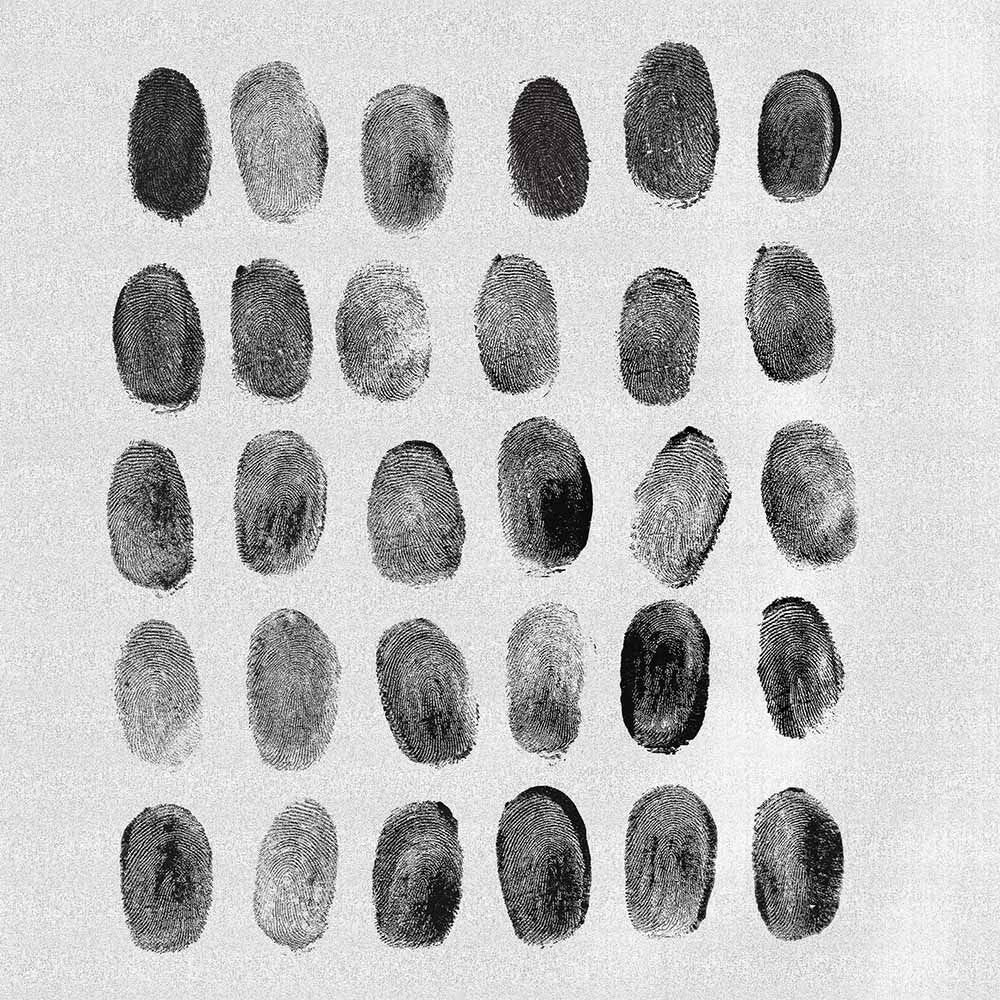
And when you commit that deeply, the fingerprints don’t wash off.
The Fingerprints
The reading ends. The actors disperse. The writers go back to the draft with fresh eyes and new questions. And the show continues—maybe without you.
But not exactly without you.
A character found more clarity because of a choice you made. A moment shifted because of something you brought that nobody wrote down. A line lands differently because you tried it five ways in a folding chair.
Your name might not be in the program. You might not be in the next workshop. You might one day watch the show open somewhere, shaped in part by conversations you remember having. And that can sting.
But your fingerprints are on the thing. Invisibly. Permanently.
It doesn’t erase the grief that comes up when a project moves on from you. But there’s something steadying about knowing that productions carry the fingerprints of everyone who ever touched them. The contribution doesn’t need credit to count.
That’s quietly radical.
We live in a culture obsessed with ownership—who made this, whose name is on it, who gets the credit, who holds the IP. A reading runs on a completely different logic. You give something with no claim on the outcome. You invest without control. You contribute without possession. And the work is better for it.
Maybe that’s the real gift of the form. Not just that it develops new musicals. But that it trains us in a rarer skill: caring about something we don’t own, shaping something we may never see finished, leaving fingerprints that may never get noticed.
Long before there are butts in theater seats, there are butts in folding chairs. And what happens in those folding chairs matters way more than we sometimes realize.
This week’s One Last Thing is a personal reflection from inside a recent reading and what it taught me about showing up in development rooms. It’s available to paid subscribers ($5/month), which helps keep this work going.
One last thing…
I have been sitting with a Dirty Little Secret.